Local business owner
Describe a short introduction to a shop, including the products to show, a welcoming tone, and a closing invitation.
A focused brief is easier to review than a vague request for a promotional video.
vidrush examples freeBrowser-first workflow
Use the prompt box to describe a clip you want to make, then continue to the video tool. Vidrush helps you start with a clear idea without assembling footage first.
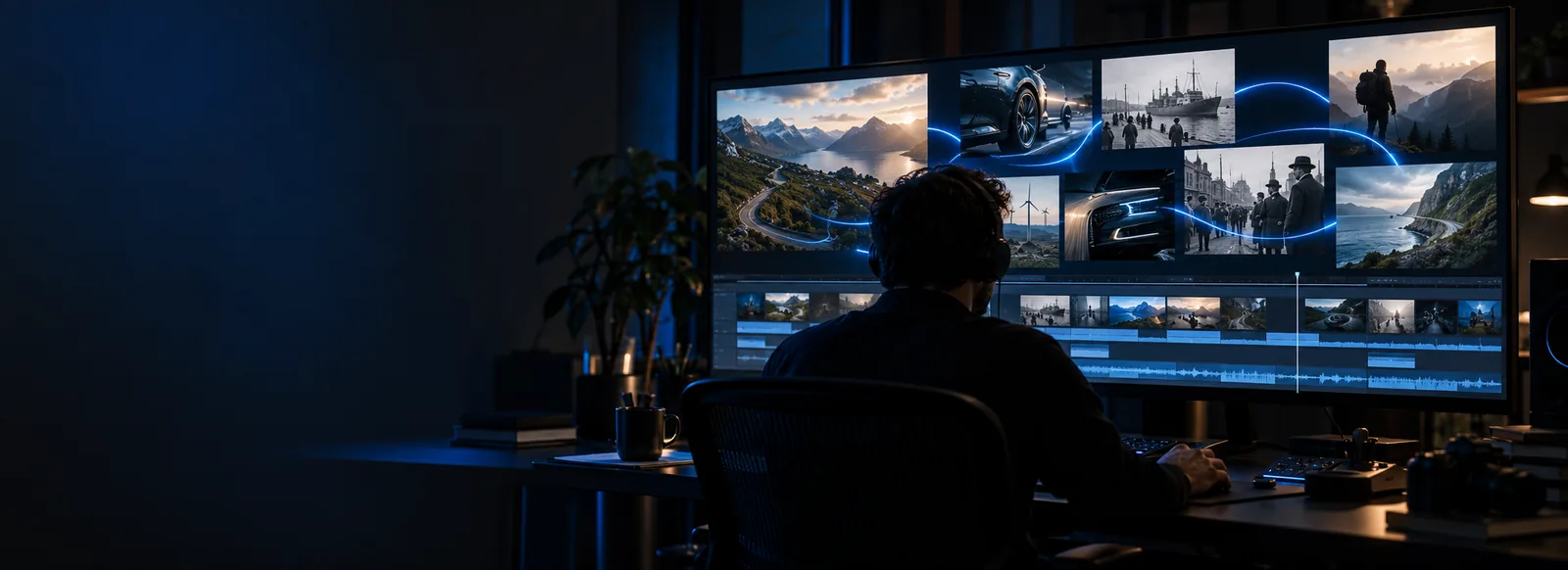
If you are still deciding what to make or how the workflow fits together, these nearby guides answer a different question before you begin.
A useful prompt names the audience, the visual direction, and the message. These examples show how different creators can make that first draft more specific.
Describe a short introduction to a shop, including the products to show, a welcoming tone, and a closing invitation.
A focused brief is easier to review than a vague request for a promotional video.
vidrush examples freeTurn one lesson objective into a visual explanation with a defined age group and a short sequence of points.
The draft has a clearer structure for checking accuracy before it reaches students.
how to use vidrush aiSpecify a vertical format, an opening hook, three visual beats, and the words that should appear on screen.
The result has a concrete direction rather than relying on the tool to guess your style.
vidrush ai appOutline an event announcement with the date, location, audience, and a calm, readable closing frame.
A quick concept helps the team spot missing details before sharing the announcement.
what is vidrush appKeep the first attempt small. A short, precise request makes it easier to see what worked and what needs changing.
State the subject, audience, approximate length, format, and desired mood. Include any exact wording that matters, such as an event date or a product name.
Use the prompt action to hand off your idea. Read the available creation and access options on the destination before proceeding; they may differ from what you expect.
Check visuals, captions, timing, and factual claims. If the draft misses the mark, change one part of the brief at a time rather than starting with a completely new idea.
The prompt is a starting point, not a promise about the finished clip or the options available after the handoff.
This page cannot guarantee that every creation, export, or format is available without restrictions at the destination.
WorkaroundCheck the tool's current options before committing to a time-sensitive project.
Generated wording and visuals may misstate names, dates, locations, or product details.
WorkaroundCompare the draft against your source material and correct every claim before publishing.
A first draft may use the wrong pacing, imagery, or tone even when the request is detailed.
WorkaroundReview the clip with its intended audience in mind and revise the brief where needed.
Think of the first view as an open-ended editing task and the second as a clip with a defined direction, not as a guaranteed transformation.
Illustrative comparison: these images do not depict an actual before-and-after generation.
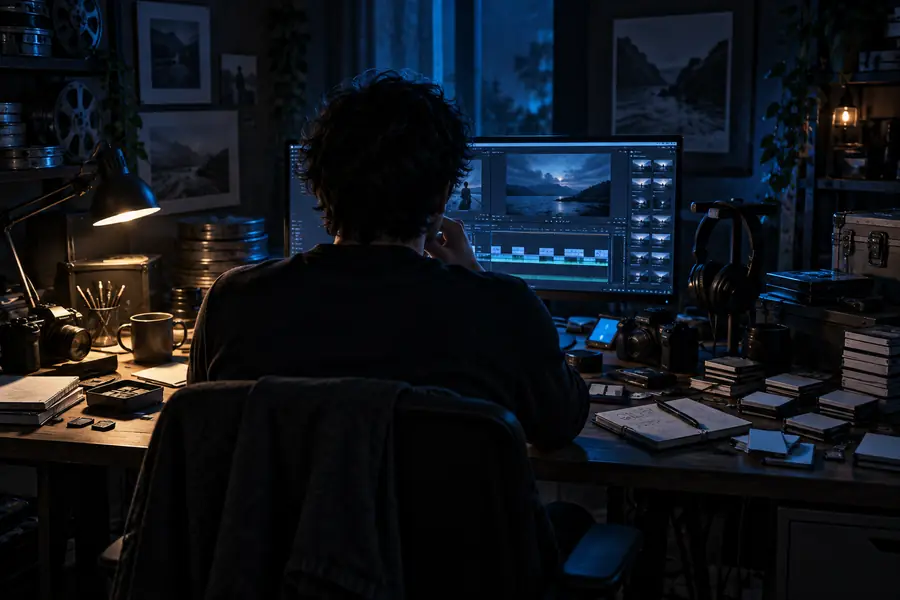
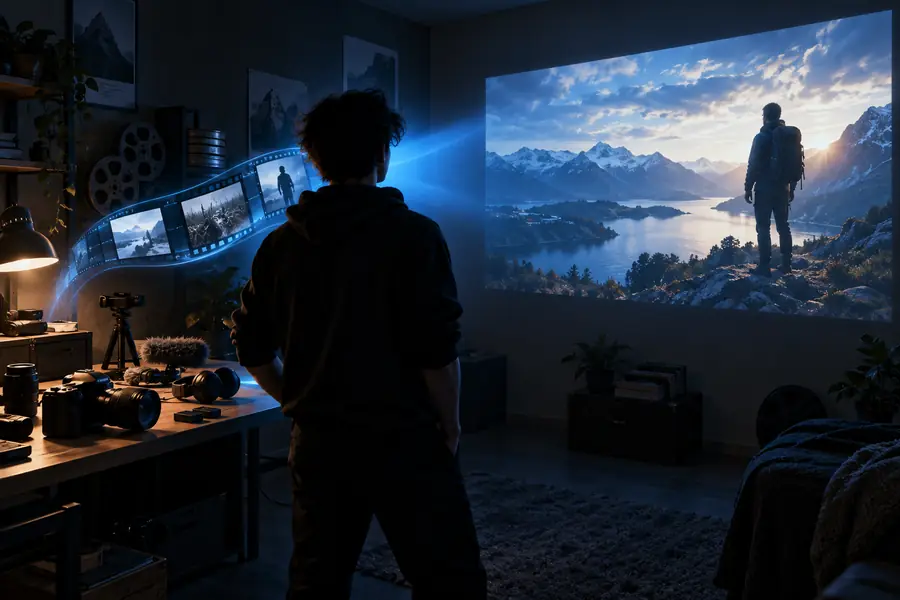
The browser handoff favors getting an idea into motion. Manual editing gives you more direct control when every cut and asset must be specified.
Prompt-led start
Manual editing start
Prompt-led start
A written video brief
Manual editing start
Footage, audio, and an editing plan
Prompt-led start
Exploring a visual direction
Manual editing start
Assembling known material
Prompt-led start
Describe the intended rhythm, then review it
Manual editing start
Adjust individual cuts directly
Prompt-led start
Supply text and verify its appearance
Manual editing start
Place and check text yourself
Prompt-led start
Guide the result through the brief
Manual editing start
Select each asset and edit
Prompt-led start
Review the generated draft closely
Manual editing start
Review the assembled timeline closely
Describe who the clip is for, what it should show, and what viewers should remember. Continue to the tool, check its current access options, and review any draft carefully before you share it.
Create a videoYou can start here by writing a video prompt and continuing to the linked tool. Check the destination's current access and creation options before you begin; this page cannot guarantee which features are available.
No installation is needed to use the prompt box on this page. Any requirements after the handoff depend on the destination, so read what it presents before proceeding.
Name the audience, subject, approximate length, format, and tone. Add essential on-screen wording and describe the opening and closing shots if they matter to your message.
Treat a first draft as material to inspect, not a finished announcement. Check captions, imagery, timing, and factual details, then revise or edit anything that does not match your brief.
This page is designed around a written brief and does not provide footage-upload controls. If your project depends on particular clips, check whether the destination supports them or begin in an editor where you can place those assets directly.